
Maintaining your manual transmission’s fluid is crucial for optimal performance and longevity, ensuring smooth shifting and preventing costly repairs down the road․
Regular checks and timely fluid changes are vital components of responsible vehicle ownership, often overlooked amidst more frequent maintenance tasks․
Understanding the importance of transmission fluid, its role in gear lubrication, and how to properly assess its condition empowers you to proactively care for your vehicle․
Ignoring fluid levels or condition can lead to significant damage, impacting your car’s ability to efficiently transfer engine power to the wheels․
This guide provides a comprehensive overview of manual transmission fluid checks, covering everything from locating the fill plug to interpreting fluid condition․
Why Check Manual Transmission Fluid?
Regularly inspecting your manual transmission fluid is paramount for several reasons, directly impacting your vehicle’s performance and lifespan․ Transmission fluid lubricates the gears, reducing friction and wear, preventing premature component failure and costly repairs․ Neglecting this vital fluid can lead to grinding gears, difficulty shifting, and ultimately, complete transmission breakdown․
Checking the fluid also reveals its condition – color and smell indicate potential contamination or degradation․ Early detection of issues like metal shavings signals internal wear, allowing for timely intervention․ Proactive maintenance, starting with fluid checks, extends the transmission’s life and maintains optimal power transfer․ Ignoring these checks can compromise your vehicle’s reliability and safety on the road․
Understanding Manual Transmission Types
While the fundamental principle of manual transmissions remains consistent – driver-selected gears – variations exist impacting fluid requirements․ Older vehicles often utilize simpler, three or four-speed transmissions, while modern cars frequently feature five or six-speed designs․ These differences influence fluid capacity and the specific type of gear oil needed․
Furthermore, some transmissions are “transaxles,” integrating the transmission and differential into a single unit, requiring specific fluid considerations․ Understanding your vehicle’s specific transmission type is crucial before checking or changing the fluid․ Consult your owner’s manual or a reliable repair resource to identify your transmission and its fluid specifications, ensuring proper maintenance and optimal performance․

Locating the Transmission Fluid Fill/Check Plug
Finding the fill plug is key; it’s typically on the transmission case’s side, often requiring a wrench or socket for removal and inspection․
Vehicle location varies greatly, so consulting your car’s repair manual is essential for accurate identification and access․
Identifying the Plug’s Location (Vehicle Specific)
Pinpointing the exact location of the fill/check plug demands vehicle-specific knowledge, as manufacturers employ diverse designs and placements․ Generally, it resides on the side of the transmission case, but its position can vary significantly․ Front-wheel-drive vehicles often have the plug facing forward, while rear-wheel-drive models may position it on the driver’s or passenger’s side․
Consulting your vehicle’s owner’s manual or a dedicated repair manual is paramount; these resources provide diagrams and precise instructions tailored to your specific make and model․ Online vehicle forums dedicated to your car can also be invaluable, offering insights from fellow owners who’ve successfully located the plug․ Remember, the plug is often a large hex or square-shaped bolt, distinct from drain plugs․
Tools Needed for the Check
Successfully checking your manual transmission fluid requires a minimal toolkit, prioritizing accessibility and safety․ Essential is a wrench or socket set, specifically sized to fit the fill/check plug – sizes vary greatly between vehicles․ A fluid transfer pump or squeeze bottle is helpful for adding fluid if needed, ensuring a clean and controlled process․
Gloves are recommended to protect your hands from potentially dirty or hot fluid․ A drain pan is crucial to catch any spillage during plug removal․ A flashlight illuminates the area under the vehicle, aiding visibility․ Finally, clean rags are necessary for wiping away any fluid residue, maintaining a safe working environment․

The Checking Process: Step-by-Step
Begin by preparing your vehicle, then carefully remove the fill plug and assess the fluid level – is it full, low, or needing a change?
Follow these steps diligently to accurately evaluate your manual transmission’s fluid condition and ensure optimal gear operation․
Preparing the Vehicle for Inspection
Before beginning the inspection, ensure the vehicle is parked on a level surface to obtain an accurate fluid level reading․ Allow the engine and transmission to cool down sufficiently; working with hot fluids poses a burn risk․ Engage the parking brake firmly for safety․ Depending on your vehicle’s design, you may need to jack it up to access the fill plug – always use jack stands for secure support․ Consult your owner’s manual for the precise location of the fill plug, as it varies significantly between models․ Gather necessary tools, including a wrench or socket of the correct size, and have some clean rags readily available to wipe away any spills․
Removing the Fill/Check Plug
Locate the fill/check plug, typically on the side of the transmission case․ Using the correct size wrench or socket, carefully begin to loosen the plug․ Be prepared for a small amount of fluid to potentially leak out, even if the level is correct․ Apply steady pressure to avoid stripping the plug, which can create a significant problem․ Once loosened, fully remove the plug, and use a clean rag to wipe away any excess fluid around the opening․ Note the fluid’s initial level as it relates to the plug opening – this is your initial assessment․
Assessing the Fluid Level
With the fill plug removed, insert your finger (or a clean tool) into the opening to check the fluid level․ Ideally, the fluid should be level with, or very close to, the bottom of the fill plug hole․ If it’s significantly below, the transmission is low on fluid and requires topping up․ Avoid inserting the tool too far, as you don’t want to disturb any internal components․ Remember to wipe your finger or tool clean after each check for accurate assessment․ Low fluid levels can cause grinding and damage, so prompt attention is crucial․

Understanding Transmission Fluid Condition
Evaluating fluid color, clarity, and smell provides vital clues about the transmission’s health, revealing potential wear, contamination, or internal damage․
Changes in these characteristics often indicate the need for a fluid change or further inspection of the transmission system․
Fluid Color and Clarity
Healthy manual transmission fluid typically exhibits a translucent amber or light brown color; however, variations can occur depending on the fluid type and age․ As the fluid ages and accumulates contaminants, its color will darken, shifting towards a murky or reddish-brown hue․
Completely dark, almost black fluid signifies significant degradation and the presence of excessive wear particles, necessitating an immediate fluid change․ Clarity is equally important; the fluid should appear relatively clear, free from visible debris or a milky appearance․
A milky or cloudy fluid indicates water contamination, potentially caused by seal failure or condensation, requiring prompt attention to prevent corrosion and damage․ Metallic flakes or a gritty texture are serious warning signs of internal component wear, demanding professional inspection․
Fluid Smell – What to Look For
Fresh manual transmission fluid possesses a slightly petroleum-based odor, which isn’t particularly strong or offensive․ However, changes in smell can indicate underlying issues within the transmission․ A burnt smell is a critical warning sign, suggesting overheating and potential clutch or gear damage due to friction․
This burnt odor often accompanies dark fluid and metallic particles․ A sweet or caramelized scent can indicate coolant contamination, a serious problem requiring immediate attention to prevent corrosion and internal damage․
A sour or rotten smell might point to water ingress and bacterial growth, compromising the fluid’s lubricating properties․ Any unusual or strong odor warrants further investigation and likely a fluid change․
Checking for Metal Shavings
After draining a small amount of fluid, carefully inspect it for the presence of metal shavings․ Small, fine particles are normal due to regular wear, but larger flakes or chunks indicate significant internal damage to gears or bearings․ Magnetic debris clinging to the drain plug is also a common indicator of wear․
A substantial amount of metallic material suggests a serious problem requiring professional diagnosis and repair․ The type of metal can also offer clues – brass shavings point to synchronizer wear, while steel indicates gear or bearing failure․
Ignoring metal shavings can lead to catastrophic transmission failure, so prompt attention is crucial․ Consider sending a fluid sample for analysis if you’re unsure about the severity of the findings․
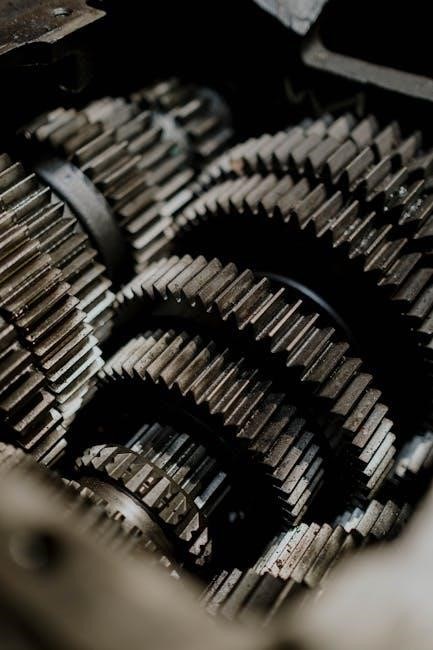
Types of Manual Transmission Fluid
Selecting the correct fluid is paramount; GL-4 and GL-5 gear oils differ in additives, while synthetic options offer superior protection and performance characteristics․
Always consult your vehicle’s manual for the manufacturer’s specific recommendations regarding fluid type and viscosity for optimal transmission operation․
GL-4 vs․ GL-5 Gear Oil
Understanding the difference between GL-4 and GL-5 gear oil is critical for proper manual transmission maintenance․ GL-4 fluids, traditionally used in older transmissions, contain additives designed to protect brass and bronze synchronizers commonly found in these systems․ However, GL-5 fluids, formulated for hypoid gears, contain extreme pressure additives that can corrode these softer metals․
Using GL-5 in a transmission designed for GL-4 can lead to significant damage over time, causing shifting problems and ultimately, transmission failure․ Modern transmissions often specify GL-5, but always verify your vehicle’s requirements․ Incorrect fluid selection voids warranties and compromises the longevity of your gearbox․ Carefully check your owner’s manual or consult a professional to ensure compatibility․
Synthetic vs․ Conventional Fluid
Choosing between synthetic and conventional manual transmission fluid impacts performance and maintenance intervals․ Conventional fluids, derived from crude oil, are generally more affordable but offer limited temperature resistance and shorter service life․ Synthetic fluids, engineered for superior lubrication, withstand higher temperatures, reduce friction, and provide better protection against wear and tear․
They also exhibit improved viscosity stability, maintaining optimal performance in extreme conditions․ While synthetic fluids have a higher upfront cost, their extended drain intervals and enhanced protection can save money long-term․ Always consult your vehicle’s manual; some transmissions require synthetic fluid, while others are compatible with either type․
Vehicle Manufacturer Recommendations
Prioritizing your vehicle manufacturer’s recommendations is paramount when selecting and maintaining manual transmission fluid․ Owners manuals detail the specific fluid type – GL-4, GL-5, or a manufacturer-specific formulation – required for optimal transmission operation․ Using the incorrect fluid can lead to premature wear, shifting problems, and even transmission failure․
Manufacturers also specify fluid change intervals based on driving conditions and vehicle usage․ Adhering to these intervals ensures continued protection and performance․ Ignoring these guidelines voids warranties and compromises the longevity of your transmission․ Always cross-reference information with reliable repair resources to confirm compatibility․

Adding Fluid if Necessary
If the fluid level is low, carefully add the recommended type using a fluid pump or squeeze bottle, avoiding overfilling for optimal function․
Recheck the level after adding, ensuring it reaches the fill plug opening, maintaining proper lubrication and preventing potential damage to gears․
Using the Correct Fluid Type
Selecting the appropriate manual transmission fluid is paramount; using the wrong type can cause significant damage․ Manufacturers specify either GL-4 or GL-5 gear oil, differing in their additive packages and compatibility with transmission materials․
GL-4 fluids are generally recommended for older transmissions or those with brass or bronze synchronizers, while GL-5 is suitable for newer, more robust transmissions․ Synthetic fluids offer superior performance and protection, especially in extreme temperatures, but always verify compatibility․
Consult your vehicle’s owner’s manual or a reliable repair database to determine the exact fluid specification․ Mixing different fluid types is generally discouraged, and a complete fluid change is often recommended when switching types․ Ignoring these guidelines can lead to premature wear and costly repairs․
Proper Filling Techniques
When adding fluid, use a fluid pump or squeeze bottle to avoid spills and ensure accurate filling․ Slowly introduce the fluid into the fill plug opening, periodically checking the level with a clean dipstick or wire․ Avoid overfilling, as this can cause leaks and damage seals․
The fluid level should typically reach the bottom of the fill plug opening․ After adding fluid, securely reinstall the fill plug, tightening it to the manufacturer’s specified torque․ Double-check for leaks around the plug after a short test drive․
Remember to properly dispose of any used fluid at a designated recycling center․ Consistent and careful filling practices are essential for maintaining optimal transmission performance and preventing future issues․

Common Problems & Troubleshooting
Difficulty locating the fill plug, stripped plugs, and fluid leaks are frequent issues; patience, correct tools, and careful inspection are key to resolving them․
Addressing these challenges promptly prevents further damage and ensures continued smooth transmission operation, saving you costly repairs in the long run․
Difficulty Locating the Plug
One of the most common frustrations is simply finding the transmission fluid fill/check plug․ Manufacturers don’t always make it easily accessible, and its location varies significantly between vehicle makes and models․ Often, it’s positioned on the side of the transmission case, but can sometimes be found on the front or rear․
Consulting your vehicle’s repair manual or online forums specific to your car is crucial․ These resources often provide diagrams or detailed instructions pinpointing the plug’s exact location․ A bright flashlight and a keen eye are also helpful, as the plug can be obscured by other components․ Remember, your car’s manufacturer seemingly “hates” you when it comes to locating this plug!
Stripped Fill/Check Plug
Encountering a stripped fill/check plug is a disheartening, yet surprisingly common, issue․ Over time, corrosion or excessive force when removing the plug can damage the threads․ If the plug spins freely and won’t tighten, you’ve likely stripped it․
Avoid further damage by stopping immediately․ Attempting to force a standard wrench can worsen the problem․ Options include using a slightly larger wrench, a specialized plug removal tool, or, in severe cases, requiring a professional to extract the plug and potentially re-tap the threads․ Prevention is key – use the correct size wrench and avoid excessive force!
Fluid Leaks – Identifying the Source
Discovering a transmission fluid leak requires prompt attention․ Inspect the transmission housing, the fill/check plug area, and the driveshaft seal for visible drips․ Look for fluid pooling underneath the vehicle, noting its location․
Common leak points include a worn seal around the driveshaft, a loose or damaged fill plug, or cracks in the transmission casing itself․ Fluid trails can help pinpoint the origin․ Reddish or brownish fluid typically indicates transmission fluid․ Addressing leaks quickly prevents low fluid levels and potential transmission damage, ensuring reliable operation․

Maintenance Schedule & Intervals
Generally, check your manual transmission fluid every 30,000 miles, but consult your owner’s manual for specific recommendations based on driving conditions and vehicle type․
Fluid change intervals vary, typically ranging from 30,000 to 60,000 miles, depending on usage and the type of fluid used in your transmission․
Recommended Check Frequency
Establishing a consistent check frequency for your manual transmission fluid is paramount for preventative maintenance․ While a general guideline suggests inspection every 30,000 miles, this can be adjusted based on your driving habits and vehicle usage․ If you frequently engage in demanding activities like towing, off-roading, or aggressive driving, increasing the check frequency to every 15,000-20,000 miles is advisable․
Conversely, for primarily highway driving with minimal stress on the transmission, extending the interval to 40,000-50,000 miles might be acceptable․ Always prioritize consulting your vehicle’s owner’s manual, as manufacturers provide tailored recommendations for optimal maintenance schedules․ Regular visual inspections during other routine services, like oil changes, can also serve as quick fluid level checks․
Fluid Change Intervals
Determining the appropriate fluid change interval for your manual transmission is crucial for long-term reliability․ Generally, manufacturers recommend a fluid change between 30,000 and 60,000 miles, but this varies significantly․ Severe driving conditions – including frequent towing, off-road use, or stop-and-go traffic – necessitate more frequent changes, potentially every 30,000 miles․
For typical driving, extending the interval to 60,000 miles may suffice, but always consult your owner’s manual for specific guidance․ Ignoring these intervals can lead to fluid degradation, reduced lubrication, and ultimately, transmission damage․ Consider the fluid’s condition during checks; if it appears dirty or contaminated, a change is warranted regardless of mileage․

Safety Precautions
Always use jack stands when working under the vehicle, never rely solely on a jack․ Wear gloves and eye protection, and be cautious of hot fluids․
Working Under the Vehicle
Prioritizing safety is paramount when accessing the transmission components․ Never work under a vehicle supported only by a jack; always utilize properly rated jack stands placed on designated reinforced areas of the chassis․
Ensure the vehicle is parked on a level surface and the parking brake is firmly engaged before lifting․ Loosen the lug nuts on the wheels before lifting to facilitate easier removal if needed for access․
Once raised, double-check the stability of the jack stands before proceeding․ Wear appropriate personal protective equipment, including safety glasses, to shield your eyes from debris․ Be mindful of pinch points and potential hazards while maneuvering underneath․
Handling Hot Fluids
Transmission fluid can reach extremely high temperatures during operation, posing a significant burn risk․ Allow the vehicle to cool down completely before attempting to check or add fluid – ideally several hours after driving․
If a check is necessary shortly after driving, exercise extreme caution․ Wear heat-resistant gloves and long sleeves to protect your skin․ Avoid direct contact with the fill/check plug and surrounding areas․
When removing the plug, do so slowly and carefully, anticipating potential splashing․ If fluid does come into contact with your skin, immediately flush the affected area with cool water․ Dispose of used fluid responsibly at a designated recycling center․

Resources for Further Information
Explore vehicle-specific forums and online repair manuals for detailed guidance tailored to your car’s make and model, enhancing your understanding․
These platforms offer valuable insights, troubleshooting tips, and diagrams from experienced owners and professional mechanics alike․
Vehicle-Specific Forums
Online forums dedicated to your specific vehicle make and model are invaluable resources․ These communities often contain detailed threads discussing manual transmission fluid checks, including precise fill plug locations that can vary significantly between cars․
Members frequently share photos and videos illustrating the process for their vehicles, offering a visual guide beyond written instructions․ You can search existing threads or post a question directly to the forum, receiving advice from owners who have firsthand experience with your transmission․
These forums are also excellent for identifying common issues or quirks related to your vehicle’s transmission, potentially saving you time and frustration during the inspection process․ Remember to verify information from multiple sources․
Online Repair Manuals
Accessing a digital repair manual specific to your vehicle provides detailed, manufacturer-approved instructions for checking your manual transmission fluid․ These manuals often include diagrams illustrating the exact location of the fill and check plugs, eliminating guesswork․
They will also specify the correct fluid type and capacity for your transmission, crucial for maintaining optimal performance․ Many online repair manual services offer subscription-based access to a vast library of vehicle-specific information․
While often requiring a fee, the accuracy and comprehensiveness of these manuals make them a worthwhile investment for DIY mechanics, ensuring a safe and effective fluid check․